Trading for Rotation Help Makes Most Sense for Cubs

Starting pitching has been, is, and will continue to be the main focus this offseason for the Cubs. They’ve been connected to almost every option available, and for good reason. Jed Hoyer and his crew are casting a wide net, making sure to keep all avenues for improvement open.
Michael King signing with the Padres on Thursday removed one of the best arms on the free agent market, and the Cubs had been linked to him dating back to last offseason. He opted to sign a three-year deal with two opt-outs, similar to the deal Alex Bregman signed with the Red Sox a year ago. The Cubs are fine with giving opt-outs, just not after the first year, so that type of structure doesn’t make sense for their current trajectory.
Tatsuya Imai appears to be the most realistic free agent starting pitcher still available, with several different reports linking him to the Cubs. Mark Feinsand of MLB.com lists the Cubs and Yankees as the two favorites to land the Japanese righty before his posting window closes on January 2. However, Aaron Boone said on Friday that the Yankees have not had a meeting with Imai and do not have one scheduled.
There could easily be more to the story, but it doesn’t appear as though the Yankees are putting their max effort into signing Imai. Hoyer has made it a point to ensure that the Cubs have a good reputation in Japan, setting them up to land big free agents coming over from NBP. Although Imai’s game will need to be developed in an MLB pitching lab, there is no better place to do that than in Chicago. While the Cubs could be considered the favorites at this point, Imai’s contract value will determine whether they can make a competitive offer.
If free agency is not the route they decide to go, a trade could bring them the impact rotation addition they need. An under-the-radar pitcher switched teams on Friday when the Orioles acquired Shane Baz from the Rays for a significant haul. The 26-year-old righty was once a top prospect and has struggled with health and consistency, but the possibility would have been exciting for the Cubs to explore. That trade makes the Orioles’ pursuit of a big arm like Edward Cabrera much less likely, which benefits the Cubs greatly.
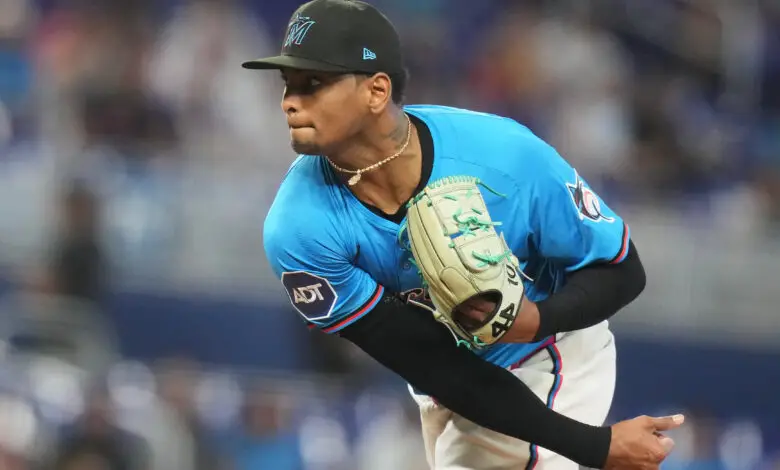
After looking into him at the deadline, the Cubs still have a chance to acquire the 27-year-old with three years left of team control. Velocity is something the Cubs lack in their rotation and have seemingly sought to avoid, so Cabrera’s 97 mph four-seam fastball would immediately change the landscape on the North Side.
Opting to add a starter via trade makes the most sense in terms of finances, especially with Bregman remaining as an option to bolster the offense. Trading for Cabrera, who is projected to earn less than $4 million via arbitration in 2026, leaves plenty of room in the budget to pursue Bregman or another big bat. And with at least two starters falling off the books after next season, Hoyer should once again have the freedom to explore significant additions.